Category: Blog

  • The Growing Popularity of High-End Escort Services

    The Growing Popularity of High-End Escort Services

    Over the past few years, high-end escort services have seen a noticeable rise in popularity — and not just among the wealthy elite. More people today are looking for genuine companionship that fits their lifestyle, whether that’s a quiet evening dinner, a social event, or private time with someone they genuinely connect with. The appeal of these services lies in their discretion, professionalism, and the ability to tailor experiences to individual preferences.

    What sets high-end escort services apart is the quality of interaction. These aren’t rushed or impersonal encounters. Instead, they focus on creating meaningful moments, whether it’s sharing a glass of wine, engaging in deep conversation, or simply enjoying the presence of someone who truly listens. This personalized experience is what draws people in — especially those who value connection without the pressures of traditional dating.

    In cities where life moves fast, such as Cologne, these services provide a welcomed pause. Whether you’re a busy professional or a visitor looking for company, the option to explore sex in Köln in a refined, respectful setting has become increasingly appealing. The process is private, seamless, and designed with client comfort in mind, making it a go-to option for many.

    Stuttgart has also seen a surge in interest when it comes to high-end companionship. Known for its sophisticated and ambitious crowd, the city naturally embraces services that mirror those values. For those considering sex in Stuttgart, the focus is often less about the physical aspect and more about the shared connection, chemistry, and discretion that high-end agencies prioritize.

    Similarly, Düsseldorf’s upscale culture pairs well with the elegance of premium escort experiences. Clients here tend to seek more than just physical intimacy — they’re after someone who complements their lifestyle, whether it’s attending a gala or winding down after a long day. For people seeking sex in Düsseldorf, high-end escorts offer not just intimacy, but emotional presence and charm that align with modern expectations.

    As social dynamics evolve and more people prioritize privacy and quality in their personal lives, it’s no surprise that high-end escort services continue to grow in popularity. These services aren’t just about filling a temporary void — they’re about creating space for companionship that feels natural, enjoyable, and tailored to you.

  • Role of Inspection Software in Improving Safety Measure For Better Customer Experience Management

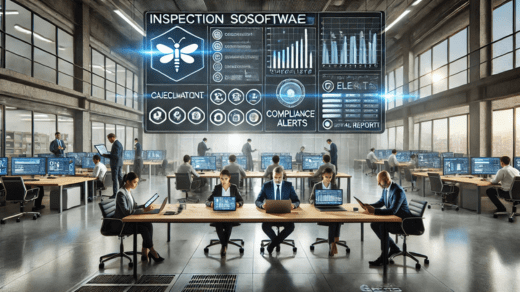
    Role of Inspection Software in Improving Safety Measure For Better Customer Experience Management

    When it comes to keeping customers happy and businesses thriving, safety is non-negotiable. Whether it’s a bustling retail store, a cozy café, or a sprawling warehouse, maintaining a safe environment directly impacts how customers perceive your business. Enter inspection software—a game-changer in ensuring safety while enhancing the overall customer experience.

    The Connection Between Safety and Customer Experience

    Imagine walking into a store where the floors are spotless, shelves are organized, and fire exits are clearly marked. Now compare it to a place where clutter is everywhere, spills are left unattended, and safety protocols seem nonexistent. The first scenario instills confidence and comfort, making customers more likely to return. Safety isn’t just about meeting regulations; it’s a cornerstone of trust and satisfaction.

    Inspection software simplifies this equation by helping businesses stay proactive. From identifying hazards to ensuring compliance with safety standards, these tools make managing safety measures a seamless process.

    Streamlining Inspections for Better Safety

    Traditional safety inspections often involve paper checklists and manual logs—time-consuming and prone to errors. With inspection software, businesses can digitize and automate the entire process. Whether it’s daily equipment checks, facility inspections, or tracking incident reports, everything is managed in one centralized platform.

    For instance, a store manager can use the software to schedule regular inspections, assign tasks to staff, and receive real-time updates on potential issues. This not only ensures that safety measures are implemented but also that problems are resolved quickly before they affect customers.

    Real-Time Reporting and Analytics

    Businesses can gather data from inspections, analyze trends, and identify recurring safety concerns with real-time reporting. Say a restaurant chain notices a pattern of slip-and-fall incidents in certain locations. The software can highlight these hotspots, enabling management to implement preventive measures like better signage or flooring materials. These insights lead to actionable steps that not only improve safety but also enhance the customer experience.

    Compliance Made Easy

    For many businesses, safety is also about staying compliant with local regulations. Inspection software simplifies compliance by providing up-to-date checklists tailored to industry standards and local laws.

    The software can even generate automated audit reports, ensuring businesses are always prepared for inspections. This peace of mind allows owners and managers to focus on delivering exceptional customer service.

    Enhancing Customer Trust

    Safety isn’t just a behind-the-scenes operation. Customers notice when businesses take it seriously. Whether it’s visible sanitation measures in a store or a well-maintained parking lot, these efforts build trust.

    Inspection software helps businesses stay consistent in their safety practices, which translates to a reliable and pleasant experience for customers. For example, a hotel using the software to regularly inspect fire alarms and elevators reassures guests that their well-being is a priority.

    A Competitive Edge

    In today’s competitive landscape, customer experience management is what sets businesses apart. Incorporating inspection software into your operations shows a commitment to quality, safety, and customer satisfaction. It’s not just about preventing accidents; it’s about creating an environment where customers feel valued and cared for.

    Inspection software is more than a safety tool—it’s a bridge between operational efficiency and exceptional customer experience. By leveraging technology to stay proactive, businesses can ensure that every visit leaves customers feeling impressed and safe. If you’re looking to elevate your customer experience while ensuring top-notch safety measures, investing in inspection software is a smart move. It’s a win-win for your customers and your business.


  • Why Combat Ju Jitsu Lessons Are Essential for Modern Martial Arts Training

    Why Combat Ju Jitsu Lessons Are Essential for Modern Martial Arts Training

    Combat Ju Jitsu is becoming a critical component in martial arts training. As martial arts evolve, there is an increasing need for versatile, effective techniques that combine self-defense with offensive capabilities. Combat Ju Jitsu Lessons offer just that, blending traditional techniques with modern strategies to ensure practical real-world applications. This evolution is not just a trend but a necessity in a rapidly changing world where adaptability and effectiveness are key.

    Adapting to Modern Needs in Martial Arts

    The landscape of martial arts has shifted. In the past, martial arts focused on strict forms and techniques that were often too specific to certain environments. However, Combat Ju Jitsu Lessons focus on fluidity and adaptability. This allows practitioners to handle a wide range of real-life situations. From street defense to combat sports, the lessons teach how to defend against various attacks, making it essential for anyone looking to train in modern martial arts.

    Combining Strength and Technique for Effectiveness

    Combat Ju Jitsu is unique in how it combines raw strength with precision techniques. This balance makes it more versatile than traditional martial arts. Students learn to harness their body’s power through locks, strikes, and ground fighting, all of which are practical in both self-defense and combat sports. The importance of learning these lessons is clear. Without them, a martial artist may struggle to defend against an opponent who is not relying on traditional moves but on unpredictability and aggression.

    Building Confidence Through Real-World Applications

    One of the key benefits of Combat Ju Jitsu Lessons is the confidence they instill in students. Unlike other martial arts styles, Combat Ju Jitsu teaches practitioners how to react instinctively to threats. This confidence translates not only in martial arts settings but also in everyday situations. Practicing techniques that are directly applicable to real-world confrontations prepares students for any scenario. Whether it’s defending against an attacker or controlling an opponent in a competitive setting, Combat Ju Jitsu offers the tools to do so with confidence and clarity.

    The Role of Combat Ju Jitsu Lessons in Competitive Martial Arts

    Competitive martial arts are growing, and so is the need for effective fighting techniques. Combat Ju Jitsu Lessons stand out in competitions, providing an edge over opponents who may not have the same adaptable skills. In many tournaments, knowing when to strike, defend, or counter an attack is crucial. Ju Jitsu’s ground-based techniques, combined with effective standing maneuvers, ensure that competitors are not limited to one area of fighting. This versatility helps them succeed in competitions that demand all-around proficiency.

    Emphasizing Mind-Body Connection in Training

    Combat Ju Jitsu is not only about physicality. It emphasizes the mind-body connection, ensuring that practitioners understand how to control their movements and anticipate their opponent’s actions. Students are taught to maintain focus and awareness, which helps them react quickly and efficiently. The integration of mental and physical training in Combat Ju Jitsu Lessons offers a comprehensive approach to martial arts that is increasingly valued in modern training regimes.

    Why Combat Ju Jitsu Lessons are Crucial for Today’s Martial Artists

    For modern martial artists, Combat Ju Jitsu Lessons are not just an addition but a necessity. In a world where street defense, self-awareness, and versatility are more important than ever, these lessons offer invaluable tools. They provide a solid foundation for real-world combat scenarios while enhancing competitive performance. As martial arts continue to evolve, Combat Ju Jitsu ensures that practitioners are not only trained in traditional techniques but also prepared for anything the future may bring.


  • Understanding the Law: A Comprehensive Guide to Its Importance and Application

    Understanding the Law: A Comprehensive Guide to Its Importance and Application

    Introduction: What is Law?

    Law is a crucial aspect of our daily lives, governing the relationships, rights, and duties of individuals and entities within a society. It is a system of rules created and enforced by a governing authority to maintain order, protect individuals, and resolve disputes. In this article, we will explore the fundamental concepts of law, its different branches, and why understanding it is essential for everyone.

    The Role of Law in Society

    At its core, the law is designed to maintain social order by regulating the behavior of individuals, organizations, and government entities. Laws ensure that people’s rights are protected, wrongdoers are held accountable, and conflicts are resolved fairly. Whether in a civil or criminal context, the law provides a framework for justice and is an integral part of maintaining peace and fairness in society.

    For example, criminal law serves to prevent and punish unlawful behavior, while civil law provides a mechanism for resolving disputes between individuals or organizations. Without a legal system, society would struggle to function smoothly, and the concept of justice would be hard to maintain.

    Different Branches of Law

    The field of law is broad, encompassing various branches that each deal with specific types of issues. Some of the most significant branches include:

    1. Criminal Law

    Criminal law deals with behaviors that are harmful to society and are punishable by the state. Crimes such as theft, assault, and murder fall under criminal law, and individuals who break these laws may face penalties including imprisonment, fines, or other punishments. The primary goal of criminal law is to prevent crime, protect citizens, and ensure that justice is served.

    2. Civil Law

    Civil law addresses disputes between individuals, organizations, or government entities. These disputes may involve issues like contracts, property, family matters, or personal injuries. Civil law provides a platform for individuals to seek compensation or resolve conflicts without resorting to violence. In contrast to criminal law, civil law typically involves monetary damages or specific performance as a resolution.

    3. Family Law

    Family law governs issues related to family relationships, including marriage, divorce, child custody, and adoption. It aims to protect the well-being of family members, particularly children, and ensure fairness in domestic matters. Family law can be highly emotional, as it often involves personal relationships and significant life changes.

    4. Corporate Law

    Corporate law, also known as business law, deals with the formation, operation, and dissolution of businesses. It covers a range of topics, including contracts, mergers and acquisitions, intellectual property, and corporate governance. Corporate law ensures that businesses operate within the boundaries of the law and that they meet legal obligations.

    5. Environmental Law

    Environmental law is focused on protecting the environment and regulating the use of natural resources. It includes laws related to air and water quality, waste management, and land conservation. Environmental law also addresses climate change, pollution control, and the preservation of biodiversity, aiming to balance human development with environmental protection.

    6. Labor Law

    Labor law governs the relationship between employers and employees. It addresses issues such as wages, working conditions, employment discrimination, and collective bargaining rights. Labor laws are designed to ensure that workers are treated fairly, with a focus on preventing exploitation and promoting safe and healthy work environments.

    7. Constitutional Law

    Constitutional law refers to the laws that govern the interpretation and application of a nation’s constitution. This branch of law ensures that governmental actions align with constitutional principles and that individual rights, such as freedom of speech and religion, are protected. Constitutional law plays a vital role in maintaining the balance of power between different branches of government.

    The Importance of Law in Everyday Life

    Law is not something that only affects lawyers, judges, or law enforcement; it plays an essential role in the life of every individual. From the moment we wake up to the time we go to bed, we interact with various aspects of the law. Whether we are driving on the road, signing a contract, or protecting our property, we are engaging with legal principles that help regulate society’s functioning.

    Understanding the law helps individuals to:

    • Protect Their Rights: Knowing the law allows people to understand their rights and responsibilities. Whether it’s understanding consumer protection laws, knowing how to deal with contracts, or how to resolve disputes, having a knowledge of the law empowers individuals to protect themselves and their interests.
    • Ensure Fairness: The law is designed to create a fair society where all individuals are treated equally. When laws are upheld and applied consistently, people feel more secure and confident that justice will be served.
    • Promote Safety: Laws governing criminal behavior and public safety are essential in preventing harm. Traffic laws, building codes, and regulations on public health help maintain a safe environment for everyone.
    • Resolve Disputes: Legal systems provide methods for resolving disagreements, from court cases to mediation, ensuring that conflicts can be settled in a structured and peaceful manner.

    The Legal Process: How Law is Enforced

    The process of enforcing the law typically involves several key stages, ensuring that justice is served fairly and impartially.

    1. Law Enforcement

    Law enforcement agencies, such as the police, play a critical role in ensuring that individuals comply with the law. They investigate crimes, gather evidence, and apprehend those who break the law. Law enforcement agencies work to deter criminal activity and maintain public safety.

    2. The Judiciary

    Once an alleged crime or civil matter is brought to the attention of the courts, judges and juries assess the evidence and determine the appropriate legal action. Judges have the responsibility to interpret the law, and their rulings set precedents for future cases.

    3. Legislation

    Laws are created and modified by legislative bodies, such as parliaments or congresses. Legislators debate and pass laws that reflect society’s evolving values, needs, and concerns. These laws are then enforced by various legal institutions, including the courts and law enforcement agencies.

    4. Legal Representation

    Both plaintiffs and defendants have the right to legal representation. Lawyers or attorneys represent their clients in legal proceedings, offering advice and presenting arguments on their behalf. Legal professionals ensure that their clients’ interests are protected and that their rights are upheld throughout the legal process.

    Why Everyone Should Have a Basic Understanding of the Law

    While you don’t need to become a legal expert, having a basic understanding of the law is crucial in today’s world. Knowledge of your rights, obligations, and the legal processes that affect you can prevent unnecessary complications and help you make informed decisions.

    Some reasons why everyone should know the basics of the law include:

    • Protection of Rights: Legal knowledge helps you understand your personal rights, such as the right to free speech, the right to a fair trial, and the right to privacy.
    • Informed Decision-Making: Whether you’re entering into a contract, buying property, or facing a dispute, knowing the legal implications of your actions helps you make smarter choices.
    • Avoid Legal Trouble: Many people unknowingly break the law because they lack understanding. Basic legal knowledge can help you avoid legal issues and stay on the right side of the law.
    • Access to Justice: With a basic understanding of the law, you can more effectively navigate the legal system when you need to resolve a dispute or seek justice.

    Conclusion: The Essential Role of Law in Society

    The law serves as the foundation for a just and orderly society, governing our interactions and protecting our rights. From criminal law to family law, each branch of law plays an important role in maintaining harmony and resolving conflicts. By understanding the law, individuals can protect their rights, make informed decisions, and contribute to a more just and fair society.

    Whether you are dealing with a legal issue personally or simply seeking to learn more about the law, its importance cannot be overstated. The law affects everyone, and having a basic understanding can empower individuals to navigate life’s challenges and ensure their actions are within legal boundaries.