- What are individual privileges under the Constitution?
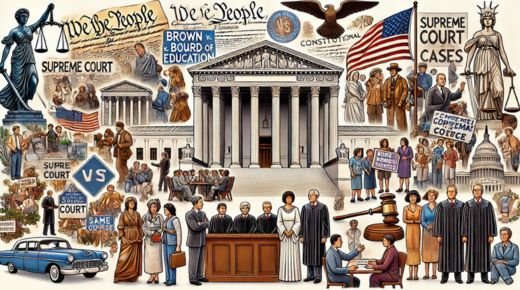
Individual privileges are securities and opportunities ensured to individuals by the Constitution. These incorporate privileges like right to speak freely, religion, fair treatment, and equivalent security under the law.
Related readingLandmark Supreme Court Cases That Changed Constitutional Law →
- Where are individual freedoms tracked down in the Constitution?
The Bill of Privileges (the initial ten revisions) is the essential source, alongside different changes like the thirteenth, fourteenth, and fifteenth Corrections. A few rights are likewise suggested through the Constitution’s construction and standards.
Read Also:
https://elitelawquest.com/6-frequently-asked-questions-about-the-role-of-the-judiciary/
https://elitelawquest.com/20-questions-to-explore-federal-vs-state-constitutional-powers/
Related reading8 Common Questions About the Impact of Constitutional Amendments →https://elitelawquest.com/8-common-questions-about-the-impact-of-constitutional-amendments/
- What is the reason for the Bill of Freedoms?
The Bill of Privileges limits government ability to safeguard people’s opportunities and guarantee that the public authority can’t encroach on specific key freedoms.
- What is the right from free discourse’s perspective?
The Main Alteration safeguards the right to speak freely of discourse, permitting people to offer viewpoints without government oversight, however a few cutoff points exist, like limitations on instigation to brutality or maligning.
Related reading20 Questions to Explore Federal vs. State Constitutional Powers →
- What is the right from fair treatment’s point of view?
The Fifth and Fourteenth Changes ensure fair treatment, guaranteeing fair lawful methodology before the public authority can deny an individual of life, freedom, or property.
- What is the right from equivalent security’s perspective?
The Fourteenth Amendment guarantees that no state will deny any individual equivalent security under the law, safeguarding against segregation by the public authority.
Related reading6 Frequently Asked Questions About the Role of the Judiciary →
- What is the right from protection’s perspective?
While not unequivocally referenced in the Constitution, the right to protection is gotten from corrections like the First, Fourth, Fifth, and Ninth Changes. It safeguards individual independence, like choices about marriage, family, and substantial independence.
- What are insurances against unlawful pursuits and seizures?
The Fourth Amendment shields people from irrational hunts and seizures, requiring policing acquire warrants in light of reasonable justification by and large.
- What are privileges connected with criminal procedures?
The Constitution gives a few rights, including:
Right to a lawyer (6th Amendment).
Right to a fair preliminary (6th Amendment).
Right against self-implication (Fifth Change).
Assurance from twofold peril (Fifth Revision).
- Could individual privileges at any point be restricted?
Indeed, privileges are not outright and can be confined to adjust public wellbeing, public safety, or other cultural interests. For instance, free discourse doesn’t safeguard impelling to brutality, and protection privileges might be restricted for convincing government interests.